Skip to content
Coach Gareth
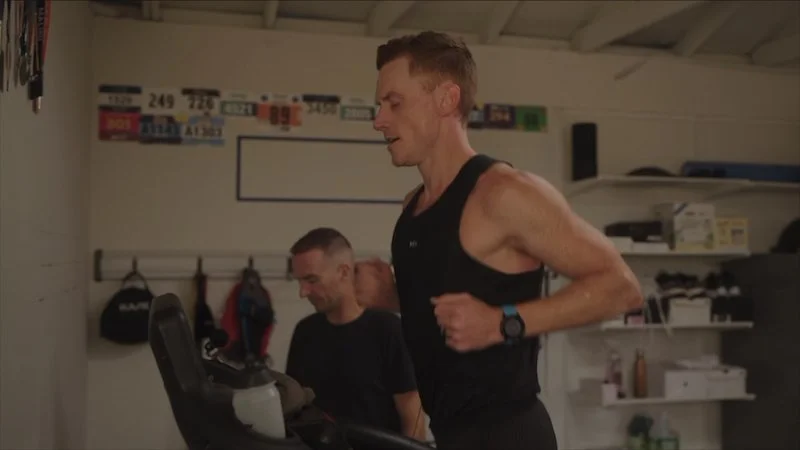
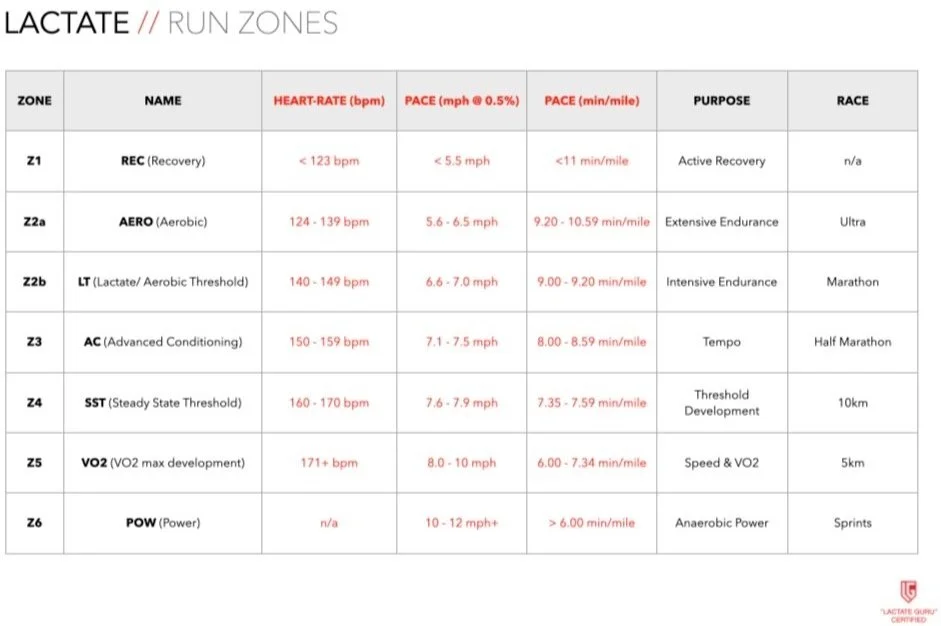
An example of running training zones used to guide intensity on the road
Training

Know your zones

Anyone training with science will be using a heart-rate monitor and power or pace to most accurately guide their training. Instinct and a sense of effort are also key skills to bring to training and race pacing. The more information you have to hand, the better the process.

When the strap fails

There are also those times when your damn HRM will not work for some unknown reason, and it is usually when you want it the most. In these cases, RPE — rate of perceived exertion — is a really useful fallback option.

Heart-rate monitors are there to help guide the intensity of your workout. They are not a replacement for knowing what the work is supposed to feel like.

Train in defined zones

To train specifically and correctly, you will need to train in carefully defined zones. This article assumes that you already have your zones but need practical pointers on how to use your HRM out on the road.
More from the lab

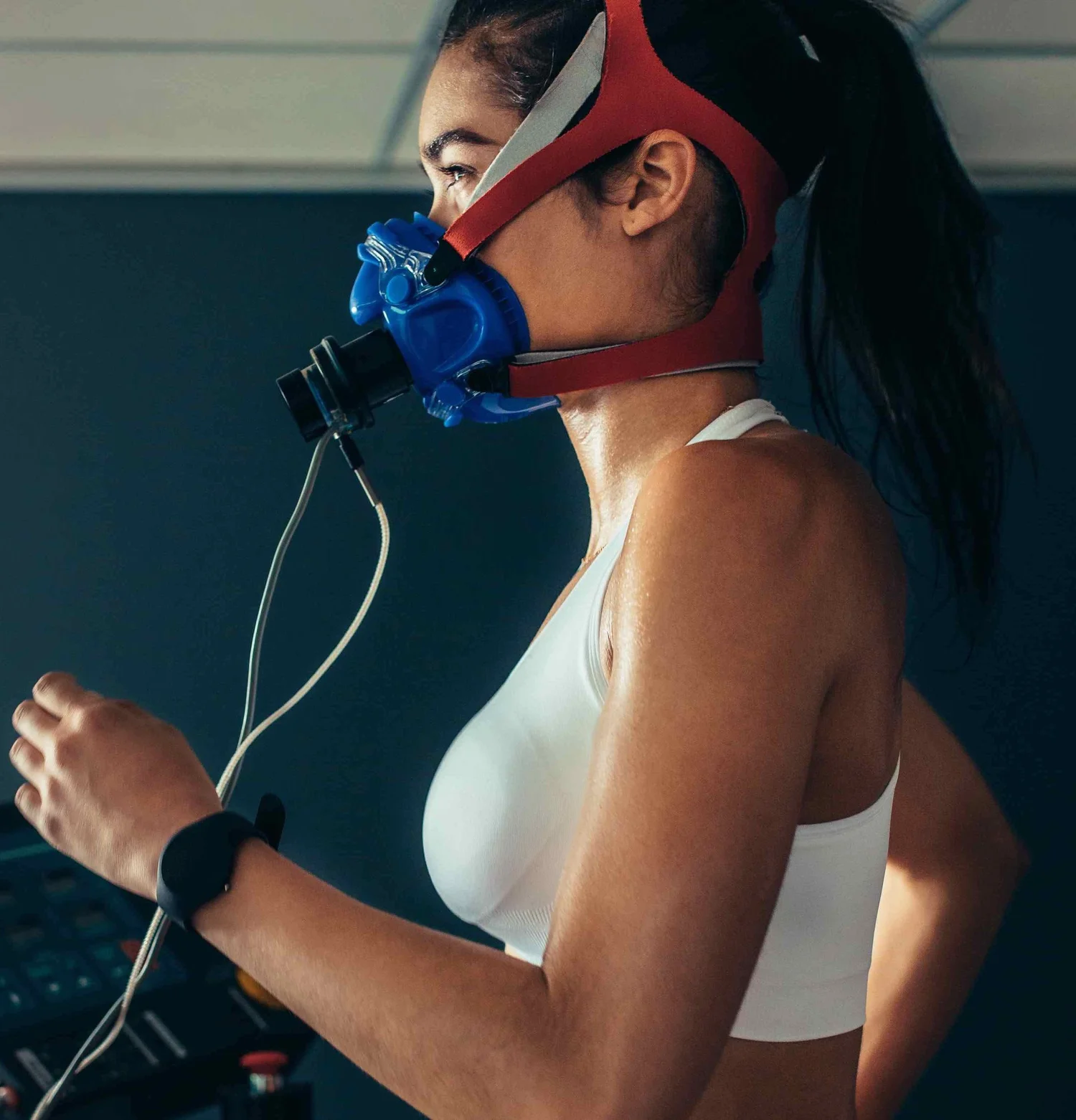
A runner on a treadmill during a VO2 max test at ECLYPSE Fitness Lab in Santa Monica
Testing

What is VO2 max?

VO2 max is the maximum oxygen your body can use under load — the best-studied marker of cardiovascular fitness. How we measure it in Santa Monica.

An example of running training zones used to set genuinely easy aerobic work
Training

What is Zone 2 training?

Zone 2 is genuinely easy aerobic work, bounded by your aerobic threshold — not a formula from your age. How a lactate test sets it.

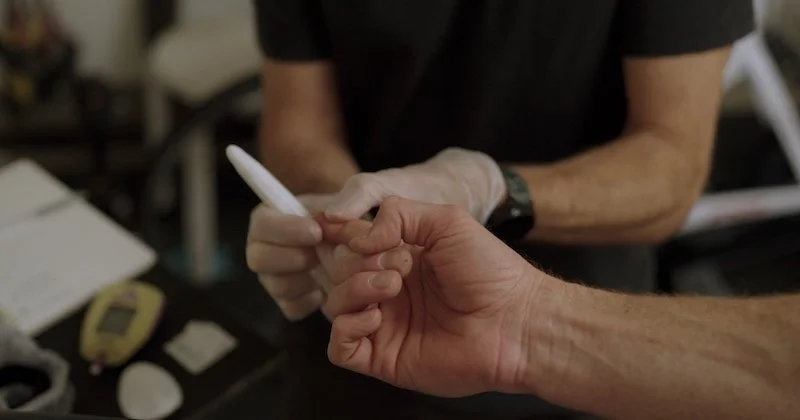
Blood lactate threshold testing on a treadmill at the Santa Monica lab
The Lab

What is lactate threshold testing?

A blood lactate test finds the intensities where your training zones actually begin and end. How the protocol works in Santa Monica.

Book a test

Stop guessing at your zones

One hour in the lab in Santa Monica, and you’ll know exactly how your body produces energy — and precisely how hard to go.

1736 Ashland Avenue, Santa Monica, CA 90405