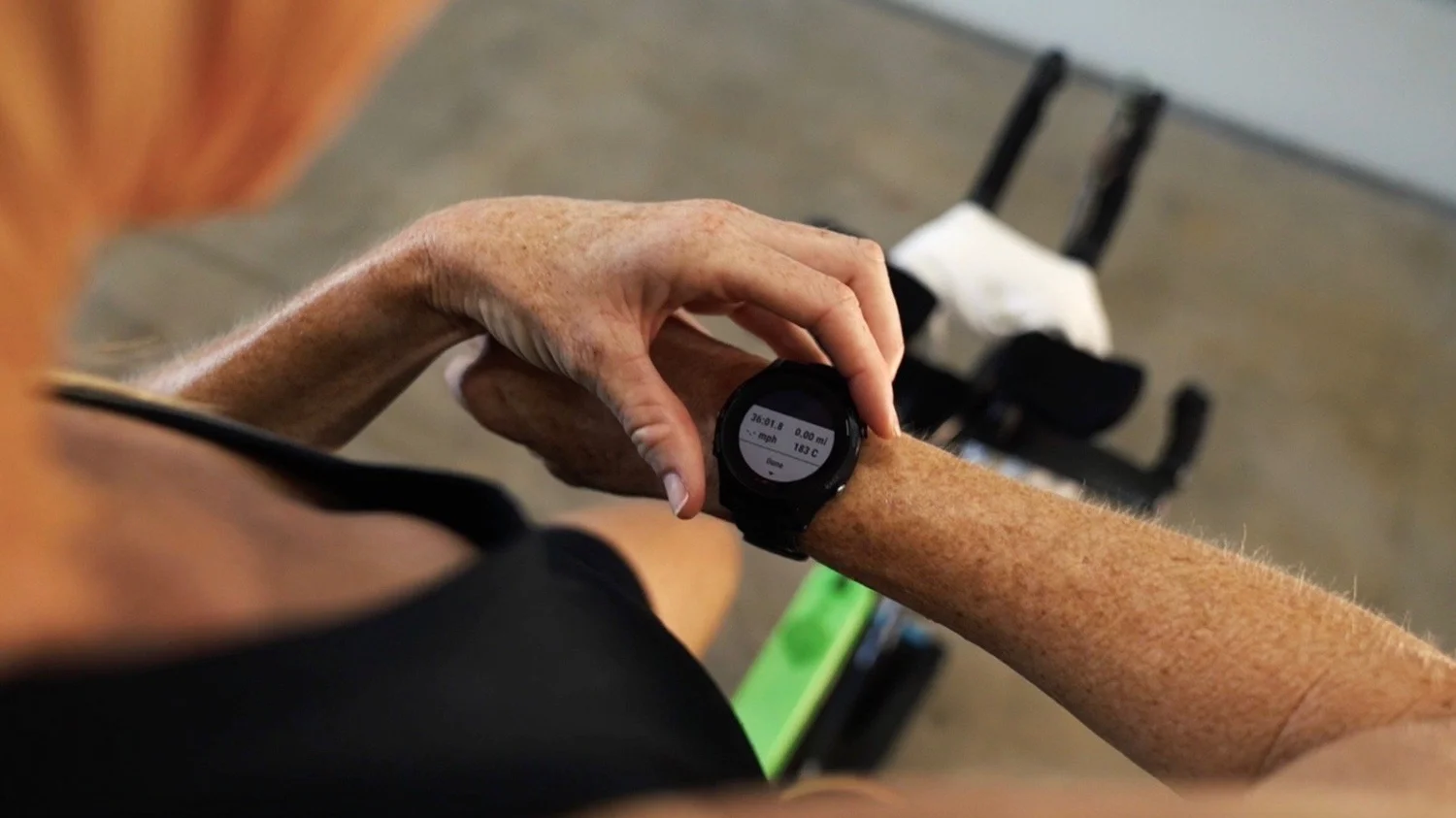
The strap is a window, not a gadget
The heartrate monitor is the #1 tool you can use on a daily basis to train smart, burn fat and get results. This simple watch and chest strap combo is a “window to your soul” and tells you vital information that makes sure every second of your workout is maximized.
Although heartrate monitors have been around for years, many athletes strangely resist using them and those who do, rarely know how to use them correctly.
Heart rate is the stress of the session
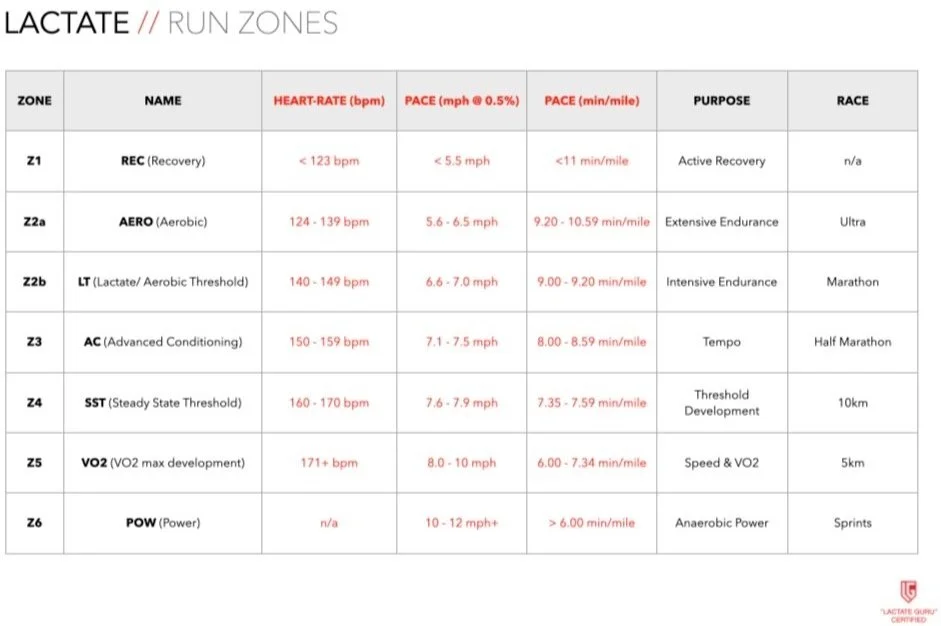
Heartrate guides you to exercise at the correct intensity by monitoring the “stress” of a workout. Higher heartrates equal higher stress and more sugars burned. Lower heartrates mean lower stress and more fat burned.
The goal of most endurance training is to teach the body to burn fat and save the limited carbohydrates available until the final push or sprint for the line. Therefore, monitoring your heartrate tells you when you are drifting from a predominantly fat burning state to a sugar burning state.
The zones have to be yours
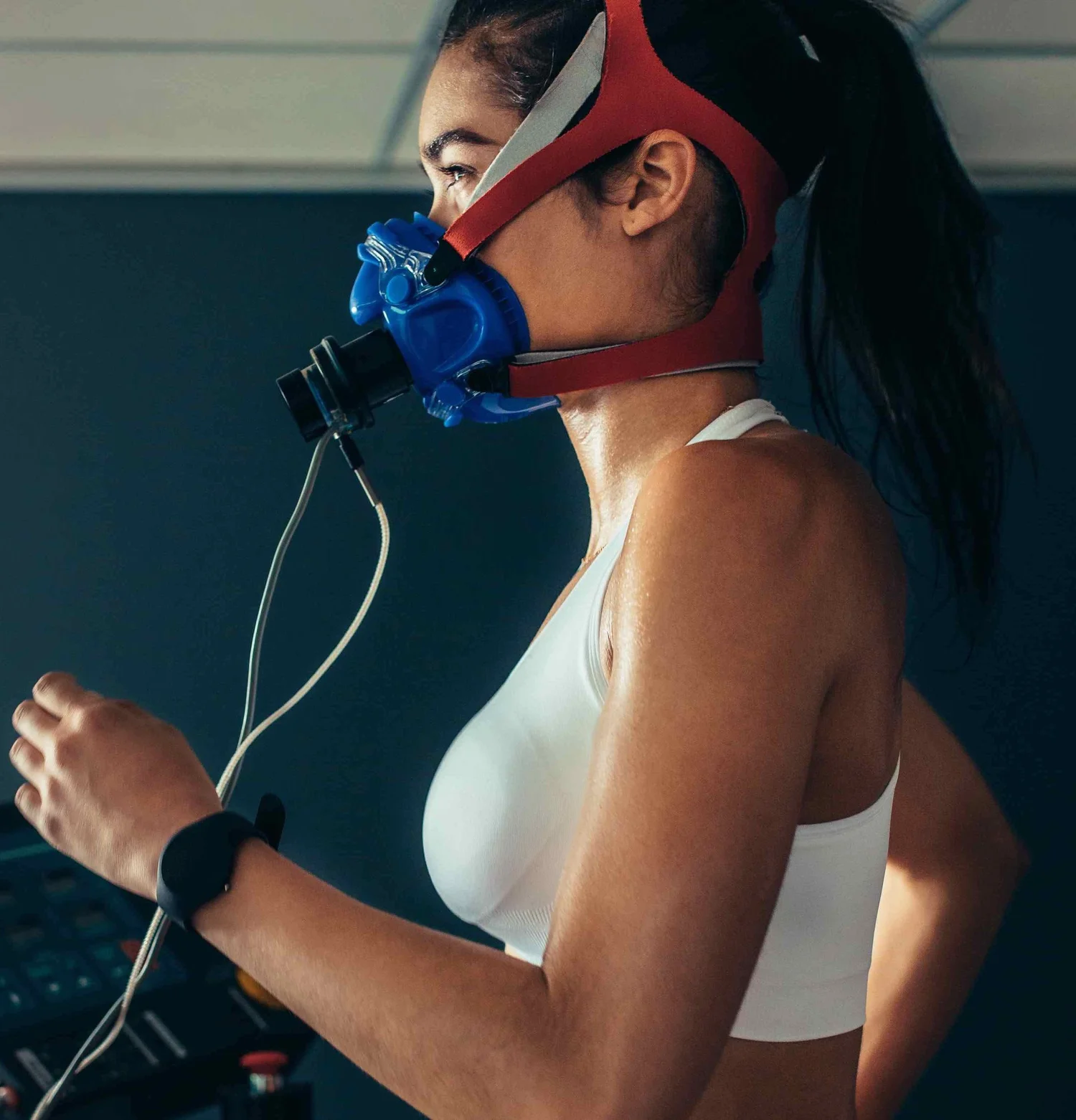
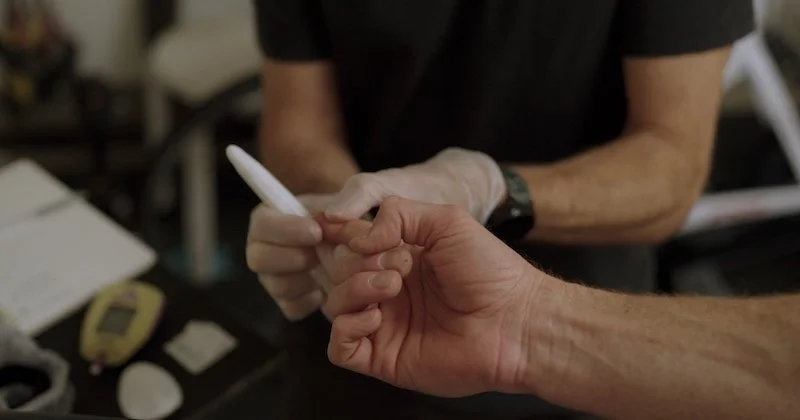
Blood Lactate testing and VO2 testing each give you heartrate training zones that are custom to YOU. We tell you how to use these “zones” so that you get results. Each heartrate zone has a specific function. When you are trying to build endurance you work at a different heartrate compared to when you are trying to build speed.
Heartrates tell you when you are getting dehydrated or running out of fuel. When you combine heartrate data with power/speed information and perceived exertion you take control of your workouts. Do this on a daily basis and watch your performance and health jump to a new level.
Don’t treat it as a pro-only toy
Lastly, performing a regular field test (every 3-4 weeks) should reveal lower heartrates for the same power/pace as the months progress. This shows that your body is absorbing the training and that you are gaining aerobic fitness. We also teach you what factors affect your heartrate so that you can adapt your training to different conditions.
It’s never too late to learn to TRAIN SMART. Don’t make the mistake of thinking that lab testing or heartrate training is for the pro’s. It’s the opposite!!! Pro’s have bucket loads of genetic talent so testing helps refine this, whereas age groupers have limited genetic talent so really need help to dial in accurate training so that they can maximize what they were born with.