Speed depends on the race
In triathlon, speed for the IRONMAN looks different than speed for a draft-legal Olympic-distance specialist. First you need to know where the main focus of your speed development needs to lie.
In general, the longer the race the more you want to focus on developing your threshold, as this is going to be more related to your race pace. The work still sits on three rungs.
- Threshold
- Aerobic capacity (VO2)
- Peak speed
How to develop lactate threshold
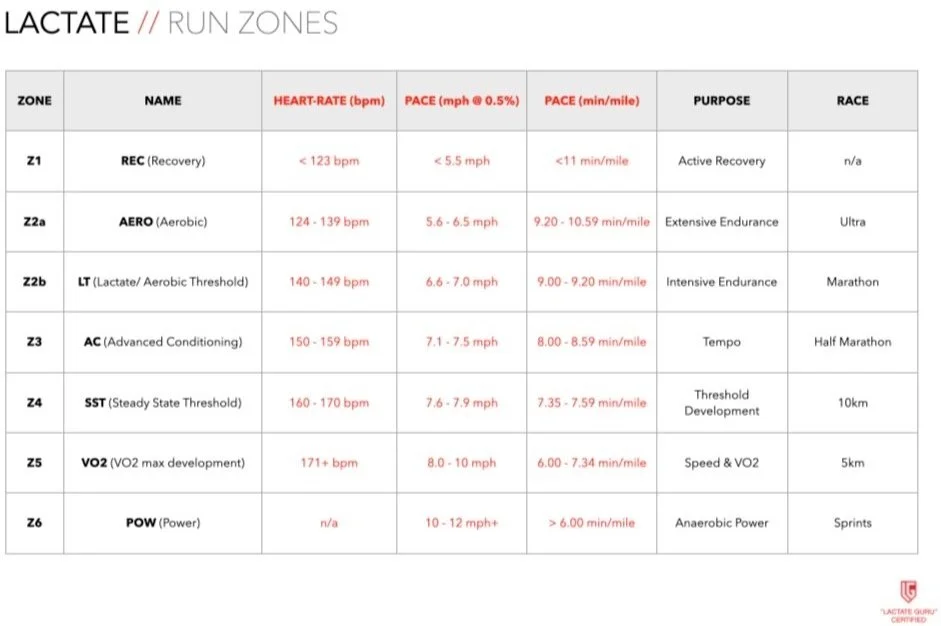
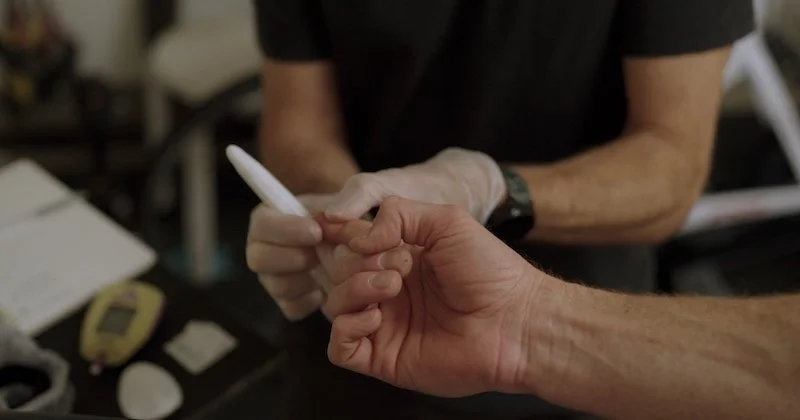
Threshold work is typically done through longer reps performed at your threshold — which, as you know, is best measured through lactate testing — off relatively short recoveries. The goal is to work hard and fast but at an effort that is sustainable for a longer time.
Think of this as 12 km pace for a runner, 40 km pace on the bike and 1,500 m pace in the pool. Work at your cycling FTP fits right in here. This type of training is therefore directly related to good 10 km, time trials and Olympic-distance triathlon racing — not forgetting that the better your threshold, the faster you will be at the longer race distances too.
A good standard threshold set is something like 10 × (5 minutes at threshold off 1 minute of easy recovery). The recovery is just enough to be able to do the reps at the same quality over and over again.
How to develop aerobic capacity and VO2 max
VO2, or aerobic-capacity, training is where you are working above your threshold at fast paces, but in such a way as to develop speed that is still sustainable. For runners, much of this work is done at 5 km target pace. The goal is to move faster than usual, at speeds that are new to you, to extend your top-end ceiling and really drive your engine to its max.
So the pace and effort is high, and the recoveries about half the length of the rep. For example, 10 × (2 minutes at VO2 effort off 1 minute of easy recovery), or you could double this for 10 × (4 minutes at VO2 effort off 2 minutes of easy recovery).
The basic rule is to give yourself more recovery than you would for threshold work — so that you can work harder — but not full recovery, which would allow you to do the reps at too high an effort and produce higher lactate from too much anaerobic contribution. Remember that we want aerobic speed from this work.
Two things the coach demands
On this type of work Gareth demands two things.
- Precise recovery times matched to the length of the interval (a 2:1 work-to-recovery ratio) — never a “jog a lap” recovery.
- Even splits — the same pace for each of these reps.
Even splits so you can see the gain
Even splits allow us to track sessions over time and know what is improving. If in week one you can run 12 × 400 m at 8:00/mile off 1 minute recovery, and in week four you can do the same set at 7:40/mile, then we know that you are improving.
The set is the test. Changing the recoveries, or blowing up the last reps, hides the number you came for.